Blog
Light Silver Travertine
All You Need to Know About Silver Travertine
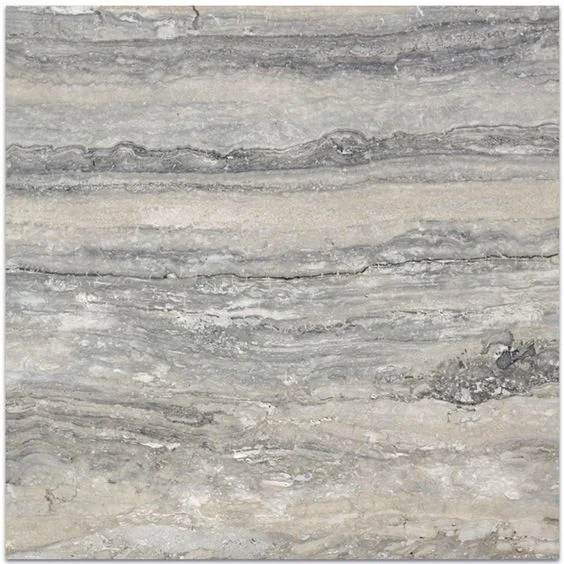
Light Silver Travertine is a gorgeous universal natural stone that has been used for centuries in architecture and design. This type of travertine has gained a reputation for its unique blend of light grey and silver tones, which create a timeless and elegant look. This material is a popular choice for flooring, countertops, backsplashes, and other home design elements due to its durability, versatility, and natural beauty. In this article, we will explore all aspects of this stone, various uses, and benefits of Silver Travertine, as well as provide tips for incorporating this stunning natural stone into your home design.
The History of Travertine
Builders have utilized silver travertine in Iran for thousands of years, dating back to the ancient Persian Empire. The city of Persepolis, which was the capital of the Persian Empire, contains many examples of travertine structures, including the famous Apadana Palace. Builders were extensively using this material in the construction of the ancient city of Pasargadae, which was the capital of the Achaemenid Empire.
In more recent times, travertine has continued to be an important building material in Iran. The country is home to many quarries that produce high-quality travertine. Iranian travertine is notorious for its unique colors and patterns due to the country’s geology and climate influence.
Overall, the history of travertine in Iran is rich and varied, with the stone being used for both practical and decorative purposes for thousands of years.
Characteristics, Properties, and Features
Silver travertine is a type of natural stone that is characterized by its light silver-grey color and distinctive vein patterns. High transparency, high abrasive resistance and color fastness against sunlight are the most important characteristics of silver stone. Silver travertine is a very tough stone that can withstand lots of weight. As a result, it is a perfect choice for floors and walkways. Here are some of its key characteristics, properties, and features:
Durability
As a sturdy stone, this material has the ability to endure high foot traffic and is resilient against damage and deterioration.
Porosity
Like all types of travertine, light silver travertine is a porous stone that can absorb liquids and stains if not properly sealed.
Vein patterns
This type of travertine is famous for its distinctive vein patterns, which can range from subtle to bold and dramatic.
Light Silver TravertineTexture
This stone has a natural, textured surface that is both slip-resistant and visually appealing.
Versatility
As a versatile stone, you can employ this material in a wide range of applications, from flooring and wall cladding to countertops and decorative accents.
Maintenance
Regular cleaning and sealing are essential to maintain its beauty and durability over time.
Sustainability
Travertine is a natural stone that is quarried from the earth, making it a sustainable choice for building materials.
Overall, silver travertine is a beautiful and durable natural stone that offers a range of unique characteristics and features that make it a popular choice for architects, designers, and homeowners alike.
Size, Dimension, and Thickness
The size, dimension, and thickness of light silver travertine may vary depending on the specific product or supplier. Worth mentioning that the regular thickness is 2 cm. Additionally, our standard tile sizes are 30×60, 60×60, 40×60, 40×80, 40×100, 40×120 and 40×140. To conclude, please contact us to obtain accurate information on the size, dimension, and thickness of the stone.
Sorts and Grades of Light Silver Travertine
Light silver travertine can come in different sorts and grades depending on the supplier or manufacturer. Grades of this stone may range from commercial to premium, with premium grades having fewer imperfections and a more consistent color and pattern. It is important to consult with the supplier or manufacturer to determine the specific sort and grade of light silver travertine. Here, at BorjStone Co we offer three different grades from A to C.
Origin Country and Quarries
Silver travertine is primarily quarried in Iran, mostly in Tabriz and Isfahan provinces. Takab quarries in Azerbaijan as well as Kashan quarries with a wide range of high-quality light silver export this material all over the world. It is important to consult with a professional or supplier to obtain accurate information and guidance on these topics. For any further information regarding this type of travertine please do not hesitate to contact us.
Types of Pattern and Finish
Silver travertine can be finished in a variety of ways to achieve different looks and textures. Here are some common types of finishes:
Polished: A polished finish gives the travertine a glossy, reflective surface that highlights the stone’s natural colors and patterns.
Honed: A honed finish is smooth and matte, with a slight sheen. This finish is less slippery than a polished finish and is suitable for flooring.
Tumbled: A tumbled finish gives the travertine a rough, textured surface with rounded edges. This finish is a good option for rustic or antique-style applications.
Brushed: Brushing the surface of the travertine with a wire brush, creates a textured, matte surface that is ideal for outdoor applications.
Chiseled: Chiseling the edges of the travertine to create a rough, natural-looking edge. This finish often fits outdoor applications and gives the stone a rustic, natural appearance.
In terms of patterns, silver travertine can have a variety of natural patterns and colors, including veins, swirls, and flecks. Some common patterns include:
Vein-cut: This pattern is achieved by cutting the travertine against the grain, which creates a linear pattern of veins.
Cross-cut: This pattern is achieved by cutting the travertine with the grain, which creates a more random pattern of swirls and flecks.
Filled: Travertine with natural holes and pits can be filled with epoxy or resin to create a smoother surface. This is often done with lighter-colored travertine to create a more uniform appearance.
- Unfilled: Unfilled travertine is a type of travertine that has natural holes and pits that have not been filled with epoxy or resin. This type of travertine has a more rustic and natural appearance, with a rougher surface texture and visible voids.
The Pros and Cons of Using Light Silver Travertine in Your Home Design
Travertine is a popular natural stone material with various home design applications, such as flooring, countertops, backsplashes, and wall cladding. Here are some advantages and disadvantages of using travertine in your home design:
Pros:
Aesthetically pleasing: Silver travertine has a unique and natural appearance that can add warmth and elegance to any space. It comes in a variety of colors, ranging from beige and cream to brown and gray, and Factories finish its surface in different textures, such as polished, honed, or tumbled.
Durability: Travertine is a durable material that can withstand heavy foot traffic and wear and tear. It is resistant to scratches, chips, and cracks, and can last for many years with proper maintenance.
Heat resistance: Travertine is a good conductor of heat, which makes it an ideal material for flooring in warm climates. It stays cool to the touch, even in direct sunlight, and can help keep your home cooler in the summer.
Eco-friendly: Travertine is a natural stone material that is extracted from quarries, which makes it a sustainable and eco-friendly choice for home design.
Cons:
Porous: Silver travertine is a porous material that can absorb liquids and stains if not properly sealed. This means that it may require more maintenance than other materials, such as granite or quartz.
Slippery: Travertine can be slippery when wet, which can be a safety hazard, especially in areas like bathrooms and pool decks. By choosing a textured finish or adding rugs or mats, you can mitigate the unique colors and patterns.
Cost: Travertine is a premium material that can be more expensive than other natural stone materials, such as marble or granite. Therefore the cost can vary depending on the quality, size, and finish of the stone.
Limited color options: While travertine comes in a variety of colors, the options are more limited in contrast to other natural stone materials, such as granite or marble. This can make it challenging to find the perfect match for your home design.
Light Silver Travertine Trends: How to Incorporate This Natural Stone into Your Home Design
Silver Travertine is a superb option for residential applications, including flooring, countertops, backsplashes, shower, tub, and fireplace surrounds. Further, other uses of this product are outdoor pavers for patios and walkways, and around swimming pools. Here are some ways to incorporate this grey travertine into your home design:
Flooring: It is a popular choice for flooring due to its durability and unique appearance. You can utilize it in any room of the house, from the entryway to the bathroom.
Walls: You can employ this silver stone to create stunning accent walls or feature walls. Its natural texture and color variations add depth and interest to any space.
Backsplash: A silver backsplash can add a touch of elegance to any kitchen or bathroom. Its neutral color complements a wide range of design styles.
Countertops: Travertine countertops are a luxurious choice for any kitchen or bathroom. They are durable and easy to maintain, making them a practical choice as well.
Fireplace: A Silver fireplace surround can add warmth and sophistication to any living room or family room. Its natural texture and color variations create a stunning focal point.
When incorporating silver travertine into your home design, it’s important to consider the overall style and aesthetic of your space. Whether you choose to use it as flooring, walls, backsplash, countertops, or fireplace surround.
Further Information Regarding Silver Travertine
All in all, there are many reasons to buy this stone for your projects. To clarify, the beauty and specifications of this product make it a good match for many applications. In order to gain more information and details about light silver travertine stone, different types of it, size and colors, texture and finish, quality and features, uses and application, please click here to contact one of our sales consultants in Borj Stone Corporation.